
Alcohol and Social Anxiety: Why Drinking for Confidence Makes You Feel Worse

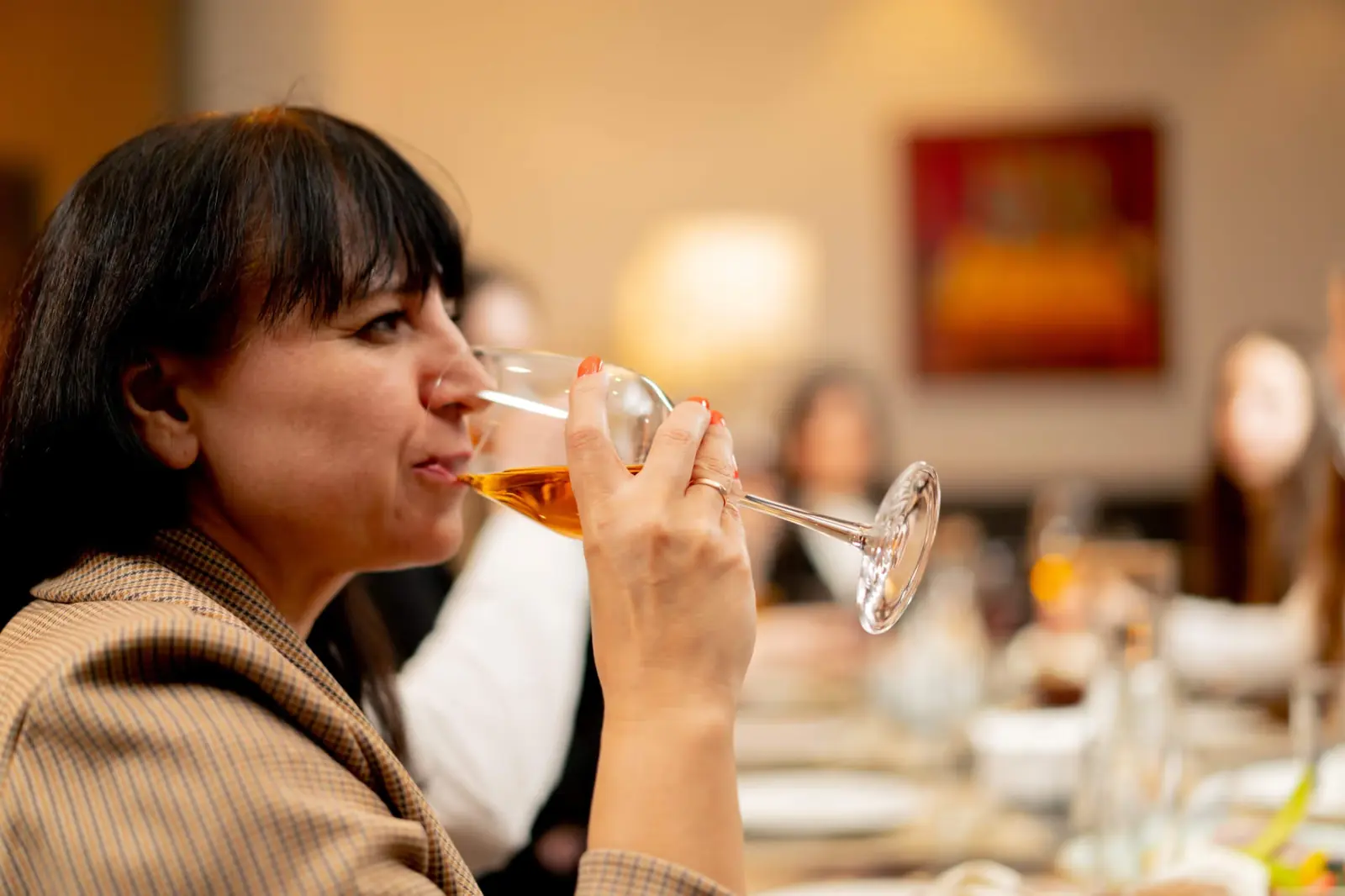
If you struggle with alcohol and social anxiety, it can feel natural to drink for confidence. Many people rely on alcohol to ease nerves before social events, quiet self-doubt, and feel more relaxed around others — especially in unfamiliar or high-pressure situations.
But while alcohol may seem to help in the moment, over time it often deepens social anxiety, weakens real confidence, and creates a quiet dependence that makes social situations feel harder without a drink.
Understanding how alcohol and social anxiety interact can help you step out of this cycle — gently, without forcing yourself or relying on willpower alone.
Social anxiety isn’t shyness — and alcohol doesn’t fix it
Social anxiety is often misunderstood as shyness. In reality, it’s driven by fear of judgement, self-monitoring, and a nervous system that doesn’t feel safe being seen or evaluated.
People with social anxiety often:
- replay conversations afterwards
- worry about how they came across
- feel tense even when things “go well”
- appear confident externally while feeling anxious internally
Alcohol can temporarily quiet this internal noise, which is why it feels effective. But it doesn’t resolve the anxiety — it pauses it briefly, before it rebounds.
Why alcohol feels like confidence (but isn’t)
Alcohol lowers inhibition and dampens the brain’s threat response. This can reduce overthinking and self-consciousness, creating a short-lived sense of ease.
For people experiencing alcohol and social anxiety, drinking can:
- make conversation flow more easily
- reduce fear of saying the “wrong thing”
- create a sense of belonging or safety
The brain learns this link quickly. Confidence becomes something borrowed from alcohol rather than something felt internally.
The anxiety often starts before the social event
For many people, the drinking doesn’t begin at the party — it starts earlier.
Anticipatory anxiety plays a huge role in alcohol and social anxiety. The nervous system begins scanning for threat hours or even days before an event. Thoughts like “What if I’m awkward?” or “What if I don’t fit in?” trigger tension long before anything happens.
Alcohol then becomes a way to:
- take the edge off before arriving
- reduce mental noise
- feel more in control
This strengthens the belief that alcohol is necessary to cope, even when the event itself isn’t the real problem.
How alcohol quietly erodes real confidence
The cost appears later.
As alcohol leaves the system, anxiety chemicals rise and sleep quality drops. This often leads to:
- next-day anxiety or “hangxiety”
- self-criticism and rumination
- reduced trust in your sober self
Over time, the brain stops learning that social situations can be safe without alcohol. Confidence weakens — not because you’re incapable, but because your nervous system hasn’t had the chance to practise calm, sober social engagement.
This is how alcohol and social anxiety reinforce each other:
anxiety → drinking for confidence → short-term relief → increased anxiety → stronger reliance next time
Why social anxiety can worsen over time
Research shows that people with social anxiety tend to drink more in unfamiliar social settings, particularly around strangers. Alcohol reduces discomfort briefly, but it also reinforces avoidance learning.
A 2023 study published in Addictive Behaviors found that individuals higher in social anxiety drank more when social familiarity was lower — suggesting alcohol is often used as a coping tool in unfamiliar social environments rather than for enjoyment alone.
Instead of confidence growing through experience, the brain learns:
“I can only cope if I drink.”
This explains why social situations can start to feel more intimidating over time — even when life looks successful on the outside.
A gentler approach to confidence
This is where the work of Ailsa Frank can be particularly supportive.
Ailsa is a British hypnotherapist, motivational speaker and Hay House author of Cut the Crap and Feel Amazing, known for helping people change habits around alcohol, anxiety and confidence without pressure or judgement.
Rather than pushing exposure or forcing behaviour change, her approach focuses on calming the nervous system and changing subconscious associations — especially where alcohol has become linked to confidence or safety.
How hypnotherapy supports social confidence
Hypnotherapy works with the subconscious mind, the part responsible for emotional reactions and automatic patterns.
It helps to:
- reduce anticipatory anxiety
- soften fear of judgement
- rebuild internal safety
- break the alcohol–confidence link
When anxiety settles at this level, confidence often returns naturally — without effort or performance.
Hypnotherapy recordings people use for alcohol and social anxiety
Within the Feel Amazing app, founded by Ailsa Frank to provide gentle, on-demand hypnotherapy, many people working with alcohol and social anxiety use:
- Boost Social Confidence — to build calm, grounded confidence without alcohol
- Take Control of Alcohol — to reduce emotional reliance on drinking
- Inner Calm — to regulate anxiety before and after social situations
These recordings work at the root of anxiety, rather than masking it.
What confidence feels like without alcohol
When alcohol stops being the coping tool, confidence returns in a quieter, steadier way.
Social situations often feel:
- less threatening
- less exhausting
- more authentic
- easier to recover from emotionally
Confidence becomes something you inhabit, not something you perform.
Frequently asked questions
Does alcohol really make social anxiety worse?
Yes. Alcohol reduces anxiety briefly but increases it later and strengthens reliance on drinking.
Why do I feel anxious the day after drinking?
Alcohol disrupts sleep and brain chemistry, increasing anxiety and rumination.
Can hypnotherapy help with alcohol and social anxiety?
Yes. It helps retrain subconscious patterns so confidence no longer depends on alcohol.
Do I need to quit drinking completely?
Not necessarily. Many people simply stop needing alcohol for confidence.
Finding confidence without alcohol
If alcohol and social anxiety feel linked for you, it doesn’t mean you lack confidence — it means your nervous system learned a shortcut that no longer serves you.
You don’t need to force yourself.
You don’t need to become someone else.
And you don’t need alcohol to feel confident.
For many people, the shift comes from calming anxiety at its source and rebuilding confidence from the inside out. Inside the Feel Amazing app, founded by Ailsa Frank, there are gentle, on-demand hypnotherapy recordings designed specifically to support this process.
Many people begin with Boost Social Confidence, which helps reduce fear of judgement and build steady, grounded confidence without relying on alcohol. Take Control of Alcohol supports breaking the emotional link between drinking and confidence, while Inner Calm is often used before or after social situations to ease anxiety and overthinking.
Used together, these recordings help confidence feel calmer, more natural and genuinely yours — without pushing yourself or depending on alcohol to cope.
If you’d like to start tonight, Boost Social Confidence is the place to begin, helping you walk into a room feeling steady and at ease without a drink in your hand. Take Control of Alcohol works alongside it to loosen the link between drinking and confidence, and Inner Calm is lovely to listen to before a party or a work do to quieten any nerves. You’ll find these recordings only in the Feel Amazing app, all included in your subscription.
You can have one-to-one hypnotherapy with Ailsa to feel confident in social situations without needing a drink.