
Stop Weekday Drinking: How Hypnotherapy Breaks the Anxiety Cycle - including 3 tips

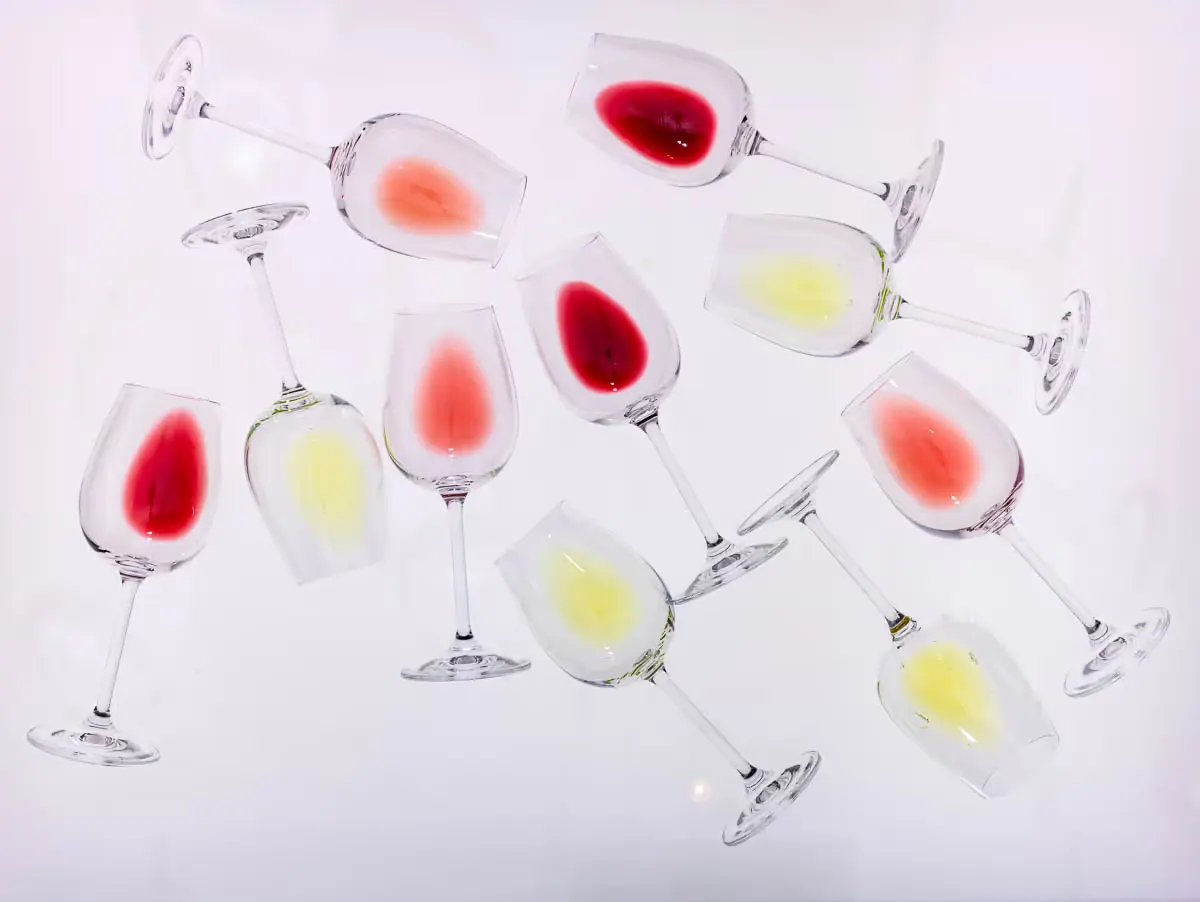
Do you find yourself promising to stop weekday drinking, only to find a glass of wine in your hand by 6:00 PM? You are not alone. For many professionals and parents, alcohol becomes a quick-fix mechanism to switch off from work stress, only to fuel higher levels of anxiety the next morning.
If you are tired of the "wine o'clock" routine and want to regain control, hypnotherapy offers a powerful solution to reset your habits without willpower battles.
Quick Answer: How can I stop weekday drinking?
To stop weekday drinking, you must address the root cause, which is often stress or anxiety, rather than just the behavior. Effective strategies include identifying your "trigger time" (e.g., getting home from work), replacing the alcohol ritual with a new activity like a shower or a walk, and using hypnotherapy to reprogram the subconscious mind to crave relaxation instead of intoxication.
The Vicious Cycle of Alcohol and Anxiety
Many people drink to combat anxious feelings, unaware that alcohol is actually a depressant that spikes cortisol (stress hormone) levels. This creates a "vicious cycle" where you drink to relax, sleep poorly, wake up anxious (often called "hangxiety"), and drink again to cope.
Recent UK statistics highlight this growing issue:
- According to Drinkaware, nearly 21% of adults in the UK drink at a level that increases the risk of health harm.
- A study by the Mental Health Foundation found that alcohol is often used as a coping mechanism for anxiety, yet it chemically alters the brain to make stress harder to deal with in the long run.
Below is a real-life case study of a client who used my unique hypnotherapy methods to break this exact cycle
Case Study: Breaking the "Bottle a Night" Habit
Client Profile: Joanne
Age: 39
Occupation: Business Owner & Mother of two (ages 9 and 7)
Goal: To take back control of weekday drinking and reduce overwhelming anxiety.
The Struggle Before Hypnotherapy
Joanne came to me feeling desperate. Despite running a successful business employing ten staff, she felt her life was spiralling out of control. Her habit of drinking every day—typically a bottle to a bottle and a half of wine—was her only way to "switch off."
- Dependence: She felt she couldn't socialise without alcohol.
- Hidden Habits: She shopped online to hide the volume of alcohol she was buying.
- Anxiety Spikes: She woke at 3:00 AM filled with self-loathing and dread.
- Impact: Her husband dreaded social events because she had "no off button," and she lived in fear of offending friends while drunk.
Joanne didn't want to quit forever; she wanted to stop weekday drinking and enjoy a glass occasionally without losing control.
The Hypnotherapy Journey
We embarked on a course of one-to-one hypnotherapy sessions to reprogram her response to stress and alcohol.
Phase 1: The Reset (Weeks 1-2)
After her first session, the shift was immediate. Joanne reported feeling "strange but in control."
- Result: She managed a holiday with drinking friends while staying in control—having only one beer at lunch and one bottle of wine over a whole evening (a massive reduction for her on holiday).
- Mental Shift: She began viewing alcohol as "just calories" rather than a crutch.
- Anxiety: The physical "churning" in her stomach regarding work stress significantly reduced.
Phase 2: Identifying Triggers (Weeks 3-4)
By the second session, Joanne had achieved ten consecutive alcohol-free days.
- Insight: She realised she used alcohol to create "breathing space" from her husband and business demands.
- New Habit: Instead of pouring a drink after work, she went straight to the gym and showered, effectively breaking the neurological trigger loop.
- Social Proof: She attended a champagne tasting and stopped after just two glasses—something she previously thought impossible.
Phase 3: Taking Control (Weeks 5-6)
By the third session, Joanne had lost the taste for white wine entirely.
- Sleep: She noticed a direct link: "If I drink, I wake at 3 AM. If I don't, I sleep fine."
- Clarity: The guilt of not being the "perfect mother" began to fade as her mind cleared.
The Outcome: A New Life
After four sessions, Joanne had transformed. She lost a stone in weight, her relationship with her husband improved, and she successfully hosted a party while remaining compos mentis.
"I am much more in control... I feel so much better. Ten days with no alcohol again. Work is fine. I am sleeping well. Alcohol is fine."
3 Tips to Help You Stop Weekday Drinking Today
If you relate to Joanne’s story, you can start making changes right now:
- Change Your "Transition" Ritual: Most weekday drinking happens during the transition from work to home. Create a new "bridge" activity—a 10-minute walk, a hot bath, or listening to a guided relaxation.
- Play the Movie Forward: When you want that first glass on a Tuesday, visualise how you will feel awful at 3:00 AM and 7:00 AM the next day. Focus on the regret, not the temporary relief, and then imagine how good you will feel if you don't drink.
- Use Audio Reinforcement: Your conscious mind wants to stop, but your subconscious habit needs help. Listening to hypnotherapy recordings can rewire these pathways.
Ready to Break the Habit?
You don’t have to struggle with this alone. Whether you want to quit altogether or stop weekday drinking to regain your health, help is available.
Recommended Resources
Feel Amazing App
Download the Feel Amazing app for instant access to recordings that support this journey. We recommend listening to:
- Take Control of Alcohol (to reduce intake)
- Stop Binge Drinking (for social control)
- Stop Worrying (to treat the root cause)
- Deep Relaxation (to repair your sleep cycle)
Work with Ailsa
For personalised support like Joanne received, book a one-to-one hypnotherapy appointment with Ailsa Frank. These sessions are tailored to your specific triggers and lifestyle.
Contact Ailsa Here to Book Your SessionMy Prices
Read more in Chapter 13 of my book, "Cut The Crap and Feel AMAZING", published by Hay House, which gives some great techniques to break addictions, including drinking too much alcohol.