
Booze Culture and Binge Drinking in Booze Britain

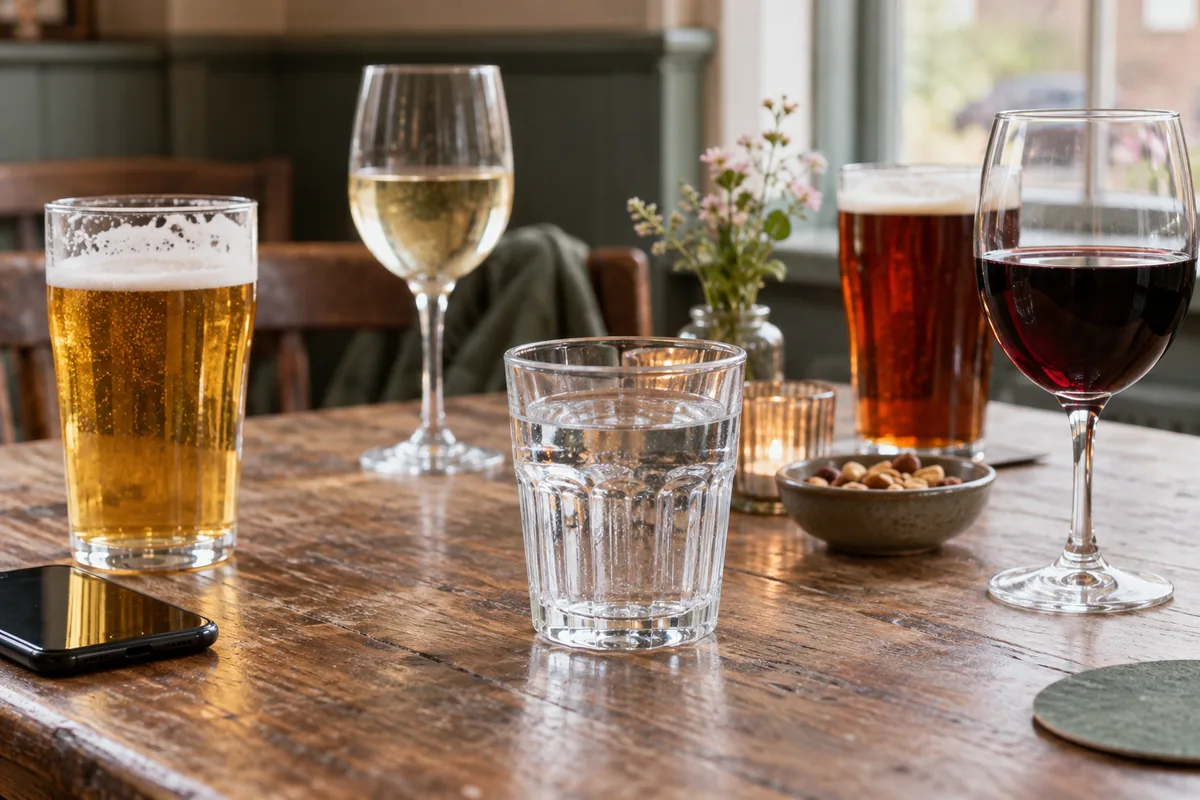
Drinking can become “normal” long before anyone stops to ask whether it is healthy. Cheap, easy access to alcohol, rounds with friends and wine as a nightly reward can all blur the line between an occasional drink and a habit that is hard to change.
This matters for adults and for the young people watching them. The aim is not to shame families. It is to make alcohol visible as a choice, talk honestly about its risks and show that relaxing, celebrating and belonging do not depend on drinking.
What does “booze culture” mean?
Booze culture describes the social expectations that can make heavy or frequent drinking feel ordinary: every celebration needs alcohol, declining a drink needs an excuse, and getting drunk is treated as harmless fun. Repetition can turn those expectations into personal habits.
The NHS advises that there is no completely safe level of drinking. Adults who choose to drink are advised not to regularly exceed 14 units a week and to spread drinking across three or more days. These are low-risk guidelines, not a target.
How adults shape children’s attitudes to alcohol
Young people learn from what adults repeatedly do as well as what they say. Offering alcohol to make it seem less exciting can send a mixed message if drinking is also presented as the usual way to relax, gain confidence or cope with stress.
A calmer approach is to set clear age-appropriate boundaries, avoid making alcohol the centre of family occasions and speak plainly about health, safety and peer pressure. Adults can also model alcohol-free days and ways of handling stress that do not involve a drink.
Carol’s story
Carol, aged 40, from Berkshire, explains how she first began drinking:
“My parents encouraged my brother and me to drink alcohol when we were as young as 13 years old. They were keen to normalise drinking so we would not be overexcited about alcohol and drink too much with our friends. I remember Mum almost forcing me to have a sip of her drink or insisting we had a glass of wine of our own. I would drink as I thought it would make her happy, even though I didn’t like the taste, but in fact it became a habit to have a drink.
“Later on, I found I needed a drink to relax and have confidence at parties. As it was so normal, I never measured how much I drank or even gave it a second thought that I was actually addicted to alcohol. I was living in my own booze culture and binge drinking every weekend through my teens and twenties. I was the party girl, always up for a laugh and a drink!
“It wasn’t until I was a parent and in my thirties, drinking every day, that I began to realise what effect my parents’ attitude had had on my life. I would never, ever offer a drink to my daughter. It seems incomprehensible that my parents were so encouraging for me to drink.”
Why sweet drinks are not harmless
Sweet flavours and colourful packaging can disguise the taste of alcohol, but they do not remove the alcohol or its effects. A drink should be judged by its alcohol content and serving size, not by whether it tastes like a soft drink.
Practical ways to change the pattern
- Notice the situations where drinking feels automatic: after work, while cooking, at parties or when stressed.
- Plan alcohol-free days and keep appealing alcohol-free choices available.
- Talk about units and serving sizes without turning the conversation into a lecture.
- Arrange social activities that are not built around a pub or drinking.
- Respond without ridicule when someone says no to alcohol.
When drinking needs professional help
Signs of alcohol-use disorder can include drinking more than intended, difficulty cutting down, craving alcohol, needing more for the same effect, or continuing despite harm to health, work or relationships.
If someone has shaking, sweating, anxiety, nausea or other withdrawal symptoms when they reduce alcohol, they should get medical advice before stopping. Sudden withdrawal can be dangerous. A GP or local alcohol service can assess the safest next step.
Further reading and support
- NHS Better Health: drink less alcohol
- NHS: alcohol-use disorder
- How hypnotherapy may support cutting down drinking
- Take Control of Alcohol in Feel Amazing
Original article text
The complete legacy article is preserved below for comparison.
Cheap alcohol widely available any time, any place has fuelled our booze culture and binge drinking "booze britain"causing many health concerns for people of all ages. Children as young as 12 regularly drink alcohol whilst more and more youngsters regularly binge drink. It is known that children who begin drinking before the age of 15 years are twice as likely to develop alcohol dependency in adulthood. The acceptance of our booze culture and binge drinking means many parents turn a blind eye to their children’s alcohol intake, some even encouraging their children to drink.
Carol, aged 40 from Berkshire explains how she first began drinking “My parents encouraged myself and brother to drink alcohol when we were as young as 13 years old. They were keen to normalize drinking so we would not be over excited about alcohol and drink too much with our friends. I remember Mum almost forcing me to have a sip of her drink or insisting we had a glass of wine of our own. I would drink as I thought it would make her happy even though I didn’t like the taste but in fact it became a habit to have a drink. Later on I found I needed a drink to relax and have confidence at parties, as it was so normal I never measured how much I drank or even gave it a second thought that I was actually addicted to alcohol. I was living in my own booze culture and binge drinking every weekend through my teens and twenties, I was the party girl always up for a laugh and a drink! It wasn’t until I was a parent and in my thirties drinking everyday that I began to realize what effect my parents attitude had had on my life. I would never ever offer a drink to my daughter it seems incomprehensible that my parents were so encouraging for me to drink.”
Alco Pops and Binge Drinking in Booze Britain
The introduction of Alco-pops astounded many people when they became available making alcohol palatable for children. Many teenagers now think they contain so little alcohol that there is nothing wrong with drinking them. Fourteen year old Charlotte from Berkshire said “I like the taste as they are sweet; I only drink Alco-pops as I don’t like the taste of real alcohol”
The responsibility lies with the government to educate children on the potential health risks of drinking alcohol whilst pressure needs to be put on the drinks industry or new regulations need to be put in place. Cheap prices of alcohol in supermarkets have been blamed for the increase in alcohol consumption at home and daily alcohol consumption.
People need to be given clear facts about how damaging long term drinking and binge drinking can be so that individuals can take control of their decisions. Adults need to act responsibly and give children healthy role models to look up to. Many parents tell their kids not to drink but then get drunk in front of them or are drinking regularly. Gone are the days when having a drink was for special occasions. The message that binge drinking is not acceptable needs to be got across and a little dignity restored in to our culture.