











Calm the triggers, release the past and feel safe in yourself again in 2-4 appointments
Hypnotherapy for trauma and PTSD can reduce intrusive memories, hypervigilance, reacting to triggers, anxiety and sleep disruption. Research, on multiple clinical studies, found hypnotherapy significantly improved PTSD symptoms and trauma reactions compared with control conditions, suggesting it helps calm the nervous system and reframe past experiences in a trauma-informed way. (PubMed)
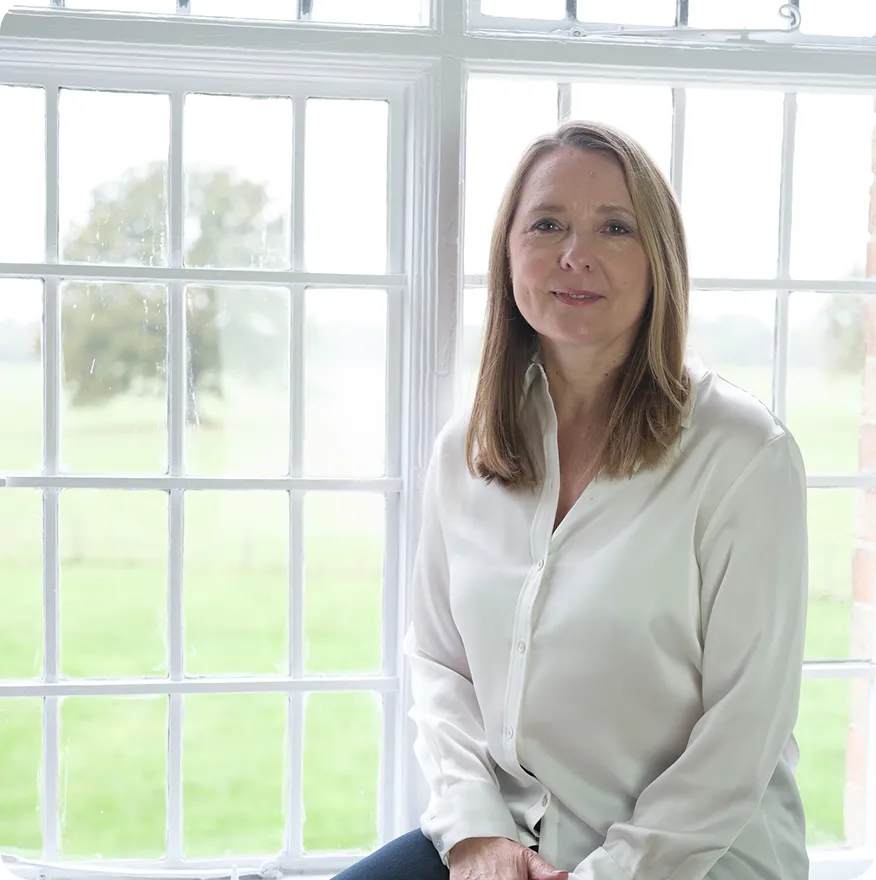
Hello, I’m Ailsa Frank – a UK-based hypnotherapist and author. I help people who feel stuck in the after-effects of trauma: the flashbacks, the jumpiness, the dread, the numbness, the anger, the sleep problems, or that constant sense that something bad is about to happen. This is one of my favourite subjects to work with as the impact of hypnotherapy takes someone struggling to a client who is thriving in a short space of time.
Trauma is the nervous system doing its job: trying to keep you alive after something overwhelming.
PTSD often follows a threat to life or serious harm, such as:
But many people also suffer deeply after non-life-threatening but highly shocking or destabilising events, sometimes called “trauma responses” even if PTSD isn’t diagnosed, such as:
If your mind and body are still reacting as if the danger is happening now, hypnotherapy can help.
“The trauma from a serious cancer diagnosis left me exhausted and tense. I can finally sleep and face the future appreciating life better.”
Mark, Toronto
If this resonates, you can be helped. Trauma lives in the subconscious mind and nervous system, not in logic alone. Hypnotherapy works at this deeper level, helping your system finally stand down so you can feel calm, present and safe again.
This trauma and PTSD hypnotherapy may be right for you if any of the following feel familiar:
I’ll guide you step by step to achieve lasting change.
At home on the phone: I connect with English-speaking clients worldwide (UK, Europe, USA, Australia) via phone or WhatsApp audio, which works exceptionally well for hypnotherapy.
In-Person: I also see clients face-to-face at clinics at the Portland Clinic in Wimpole Street, London (W1) or in St Albans.
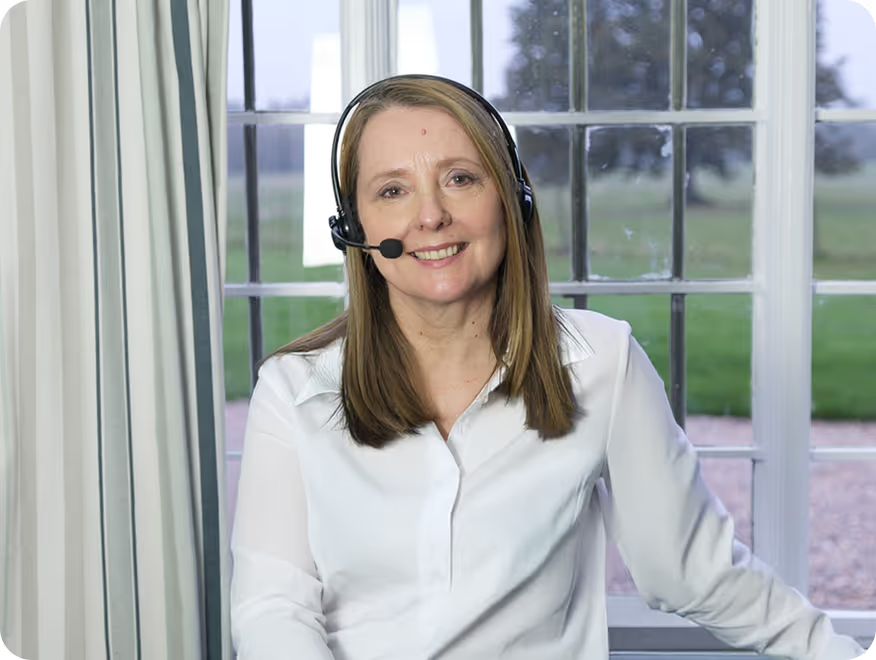
90 Minutes: The first half is a relaxed discussion. We talk about what is going on in your life and what you want to work on. We discuss patterns, triggers and goals. In the second half, I guide you through a tailored hypnotherapy session to release root causes and begin making changes immediately. You can cover multiple issues in each session.
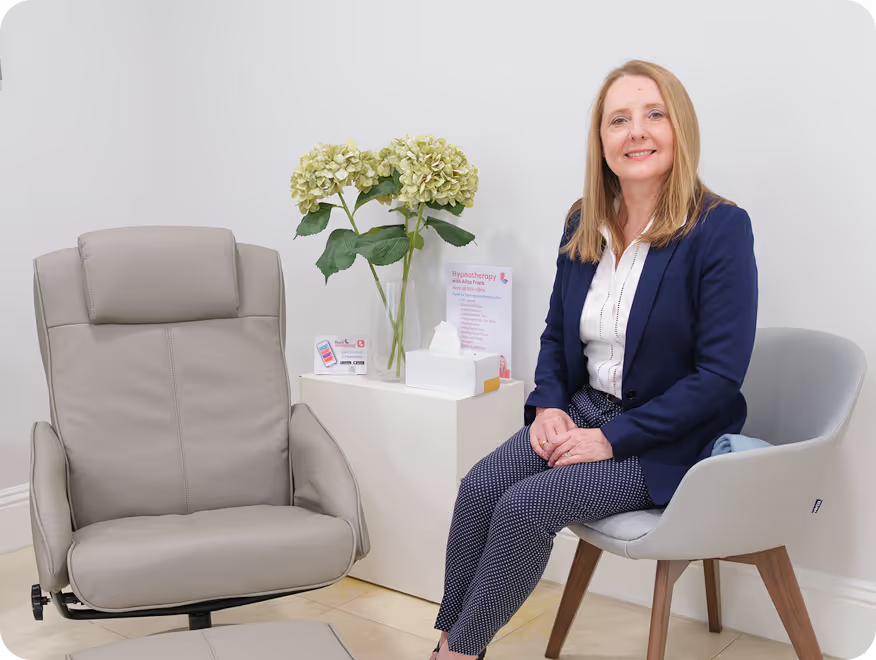
60–75 Minutes: These are usually spaced two weeks apart to reinforce the changes and address any new layers that come up. Each session deepens the changes. You can have a top up at time in the future. Some clients like to have regular sessions to deal with life , work and business issues as they arise.
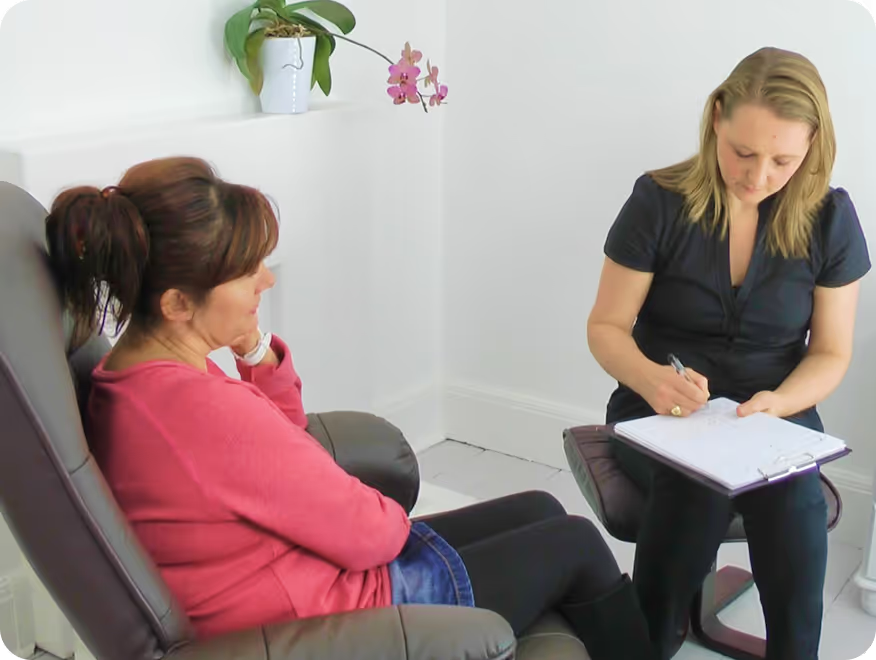
I typically work with clients over 2 to 4 appointments. I believe in a bespoke approach, some hypnotherapists might try to sign you up for a long, expensive course. I don't work that way. I start with a minimum of two appointments, with further sessions booked only based on your individual needs.


2-4 sessions recommended

60-90 minutes per session

Global clients welcome
Work privately with Ailsa to address personal challenges, emotional blocks, habits, or life situations through bespoke hypnotherapy or get the Feel Amazing app
Cancel or reschedule free with 24 hours’ notice.
Cancellation and refund policy.

Effective hypnotherapy from the comfort of your own home.
Flexible appointments
Relax in your own space
Typically 2–4 sessions required

In-person at the St Albans clinic.
St Albans, Just Outside the M25
Premium in-person experience
Typically 2–4 sessions required

In-person at then London clinic.
Wimpole Street, London
Premium in-person experience
Typically 2–4 sessions required

Or get the Feel Amazing app. Begin listening today to hypnotherapy audios created by Ailsa.
Award winning hypnotherapy app
Listen at home daily
Full library covering every topic


After repeated traumatic experiences in Afghanistan, I couldn’t sleep and was always on alert. The strain on my marriage made it impossible and I began drinking excessively. The hypnotherapy helped me calm down, sleep again, save my marriage and let go of alcohol. I feel like myself again.
Aaron, Seattle
Life-changing sessions that released my trauma.
Donna, Elstree
Having served in several tours in the Middle East my PTSD symptoms have impacted my drinking and marriage. The hypnotherapy appointments were quite life changing, I no longer get nightmares, drink, get anxious or anger outbursts. Thank you.
Stevo, Michigan
Rape PTSD has gone since the hypnotherapy sessions.
Ani, Hertfordshire
I have suffered with PTSD since the birth of my eldest. The hypnotherapy has given me inner comfort and I no longer have flashbacks.
Janey, London
Since a near fatal car accident my car anxiety was unbearable but the sessions have made me feel safe again and fine to travel.
Jilly, Hertfordshire
Flashbacks to a near fatal fire have haunted me for years until the hypnotherapy changed all that.
Richard, Surrey
After repeated traumatic experiences in Afghanistan, I couldn’t sleep and was always on alert. The strain on my marriage made it impossible and I began drinking excessively. The hypnotherapy helped me calm down, sleep again, save my marriage and let go of alcohol. I feel like myself again.
Aaron, Seattle
Life-changing sessions that released my trauma.
Donna, Elstree
Having served in several tours in the Middle East my PTSD symptoms have impacted my drinking and marriage. The hypnotherapy appointments were quite life changing, I no longer get nightmares, drink, get anxious or anger outbursts. Thank you.
Stevo, Michigan
Rape PTSD has gone since the hypnotherapy sessions.
Ani, Hertfordshire
I have suffered with PTSD since the birth of my eldest. The hypnotherapy has given me inner comfort and I no longer have flashbacks.
Janey, London
Since a near fatal car accident my car anxiety was unbearable but the sessions have made me feel safe again and fine to travel.
Jilly, Hertfordshire
Flashbacks to a near fatal fire have haunted me for years until the hypnotherapy changed all that.
Richard, Surrey
Think of hypnotherapy as a fully conscious, deep relaxation. Hypnosis feels like a deep, peaceful relaxation – a bit like daydreaming. You stay fully conscious and in control; you can open your eyes or move at any time.
Hypnotherapy helps you reframe and process the memory in a safe, controlled way so it no longer has the same emotional punch.
In sessions I use a blend of:
The goal is not to erase what happened. It’s to help your mind file it in the past, so it stops hijacking the present.
Hypnotherapy can help you:
You might feel sceptical or worried that it "won't work for you." That is completely normal. Most of my clients say they wish they had done this sooner.
If you’ve had a threat to life, serious injury or sexual violence, and you’re experiencing flashbacks, nightmares, hypervigilance, avoidance or emotional numbness, it may fit PTSD, but you don’t need a label to get help.
Some people haven’t had a near-death event, yet still experience powerful trauma symptoms after things like divorce, financial collapse, a fire, bereavement or being repeatedly emotionally harmed. If your nervous system is stuck in survival mode, it deserves support.
Flashbacks: Sudden images, sensations or memories that pull you back into the event.
Always On Guard: Feeling jumpy, edgy or unable to relax, even in safe places.
Avoidance: Dodging people, places or situations because they trigger you.
Sleep Disruption: Nightmares, jolting awake, or never feeling properly rested.
Emotional Numbness: Feeling detached, flat, or like you’re watching life from the outside.
Anger or Irritability: Snapping easily, impatience, or feeling constantly wound up.
Body Alarm: Racing heart, nausea, sweating, panic waves, shaky legs or tight chest.
High-Functioning: You cope outwardly but feel close to burnout inside.
Life Shrinking: Turning down plans, hiding away, or feeling your world getting smaller.
If you answered “yes” to any of these, you don’t need to “toughen up”: you need your nervous system to feel safe again, and I can help you break the cycle which will otherwise reinforce further.
If you aren't ready for one-to-one sessions yet, you can begin listening immediately with my Feel Amazing Hypnotherapy App. It features over 60 recordings.
Full Access: Costs less than £1 per week (£45 annual membership or £7.99 monthly).
6 free titles for everyone.
“I really love this app... clear and calming voice. It is working wonders for me.”
– Google Play Review.
Stop Worrying, Release Daily Stress, De-stress Your Life, Inner Calm, Good Night’s Sleep, Get to Sleep Fast, Build Confidence & Self-Esteem, Deep Relaxation
Aaron, Army veteran

Diminished Stress
Fewer or no spikes of panic or overwhelm, making everyday situations feel calmer and easier to manage.
Empowered
More patience with yourself and a greater sense of control over how you respond to life.
Refreshed
Your body feels relaxed, sleep happens easily, and you wake feeling clearer and brighter.
Confident
You feel back to a better version of your old self. You feel secure, and part of life fully..
Happier & Calmer
Work or family issues feel manageable rather than overwhelming or emotionally intense.
New Habits
New coping patterns replace old trauma responses, Improved relationships and feeling very safe
Hypnotherapy is widely used to help with anxiety, sleep problems and stress, all common after trauma. The Royal College of Psychiatrists describes hypnotherapy as a psychological therapy that can help some people with anxiety and stress-related problems.
Research on hypnosis for PTSD specifically is smaller than for anxiety and pain, but clinical studies suggest hypnosis can help reduce trauma symptoms for some people as part of a broader trauma-informed approach.
Research on hypnosis for PTSD is smaller than for anxiety and pain, but several studies have reported improvements in trauma symptoms and related problems such as sleep and anxiety:
PTSD symptom improvement (clinical trials): Some clinical studies have found that hypnosis-based approaches reduced PTSD symptoms, including re-experiencing and hyperarousal, when used as a structured therapeutic intervention. Rotaru & Rusu, 2016 – meta-analysis (PubMed)
Hypnosis for anxiety and stress (relevant to trauma): Hypnosis has been shown in studies and meta-analyses to reduce anxiety and stress, which are core drivers of trauma symptoms and triggers. Valentine et al., 2019 – meta-analysis (PubMed)
Sleep improvements (common PTSD problem): Hypnosis and guided hypnosis recordings have been associated with better sleep quality in some controlled studies: important because poor sleep often keeps trauma symptoms “switched on.” PubMed: hypnosis and sleep quality
Pain and somatic symptoms (often linked to trauma): Stronger evidence exists for hypnosis reducing pain and somatic distress, which can be part of trauma presentations (tight chest, gut churn, body alarm). Rosendahl et al., 2024 – Frontiers in Psychology
In practice, hypnotherapy can be a helpful part of a trauma-informed approach: reducing the nervous system’s alarm response, improving sleep, and helping the mind file the event as “over” rather than “still happening.”



Gentle daily support for stress, sleep, anxiety, alcohol and habits.
Transform your life with expert hypnotherapy from Ailsa Frank.
